Strengthening Tribally-informed Maternal Mortality Review Committees: Efforts & Lessons Learned | July 28, 2026
Date of Presentation: July 28, 2026
Type: Past Presentation
Audience: Clinical
Program: Pregnancy Care and Access
Keywords: #health disparities #maternal #maternal health #mortality #prevention
In this presentation, Kimberly D. Moore-Salas, and Lynn Lane, describe the role of Maternal Mortality Review Committees (MMRCs) and Tribal subcommittees in analyzing American Indian and Alaska Native data to identify systemic health disparities, advance culturally informed prevention efforts, and implement equity-driven partnerships to improve Indigenous maternal health outcomes.
Recording:
Presented by:

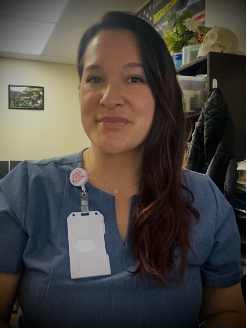
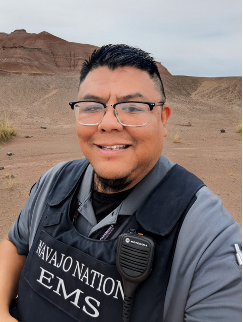
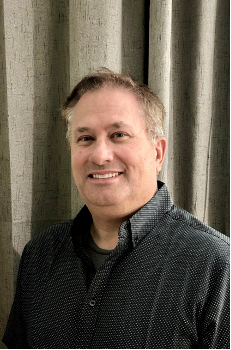
Kimberly Moore-Salas, IBCLC
President/Consultant, Tribal Indemnity, LLC
Kim is an Diné citizen of the Navajo Nation. Her clans are Naakaii Diné (Mexican People) and from Tsi’naajinii (Black Streak People). She was born in Tuba City, Arizona maternally from Tolani Lake, Arizona. Growing up on and off the Navajo Nation, and residing in various tribal communities throughout her life, Kim is passionate about utilizing her education and experience to promote healthy living through kinship values.
Kim is an International Board-Certified Lactation Consultant with over 16 years of experience in peer-counseling, clinical and educational lactation. Her work has been inclusive of tribal and culturally diverse communities serving the needs of prenatal, newborns, and post-partum mothers and families.
She is a Co-Instructor for the Indigenous Lactation Counselor training course since 2017 and has trained over 1000 Indigenous Lactation Counselors providing cultural breast/chest feeding and clinical education to those that can serve their community throughout Turtle Island. Currently a member of the Advisory Council Committee for the Navajo Breastfeeding Coalition. Providing guidance on grassroots initiatives and community birth work advocacy. She is also a member of the Indigenous Milk Medicine Collective, a national grassroot organization uplifting our relatives in their milk medicine journey
Kim worked at ValleyWise Medical Center as a hospital lactation consultant for almost ten years providing clinical lactation support to families and improving breastfeeding education to staff and hospital policies. In December 2020, she implemented the first Arizona Lactation Mentorship Pilot Program. This provided students access to clinical lactation hours to create strategic initiatives to bring BIPOC diversity, equity, and inclusion to the field of lactation.
She continues to provide consulting work, Tribal Indemnity LLC, in various capacities with grassroots, non-profit organizations, universities locally and nationally focusing on reproductive justice, maternal health and Infant nutrition security such as United States Breastfeeding Committee, Arizona State University,4th Trimester Arizona, Intertribal Council of Arizona WIC program and Navajo Nation Birthworkers Collective.
She currently is the Co-chair for the Maternal Mortality Review Committee and Chair of the American Indian & Alaska Native, Chairs the Maternal Mortality Review subcommittee the Arizona Department of Health, the first Native American Non-clinical person to have this role. The first state to have an American Indian Alaska Native Maternal Mortality Review subcommittee.
Most recently she was appointed as a community MPI (Multi Principal Investor) for ASU Health Solutions, IMPROVE-CIP Az project – Listening to the Villages to lead and provide guidance on initiatives to improve maternal health outcomes while integrating community led approaches.
Kim enjoys spending time with her husband and her three adult daughters. She loves early morning runs, hiking and traveling. She a fur mom to three dogs and a cat in which she considers her family.

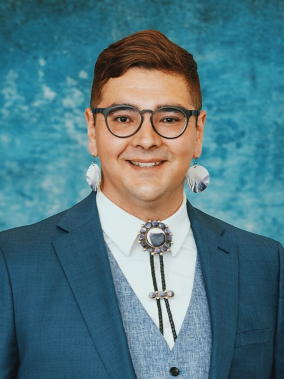
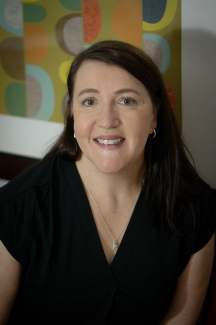
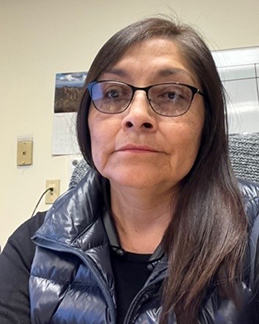
Lynn Lane
Maternal Health Program Manager, Arizona Department of Health
Lynn Lane is from the Near the Mountain Towering House People and born for the Deer Springs People. Her maternal grandfather’s clan is the Rock Gap People, and her paternal grandfather’s clan is the Red House People. She is a citizen of the Diné Nation from Tonalea, Arizona. She carries her work in maternal health in the same way she carries her identity—with responsibility, relationship, and care for future generations. As the Tribal Maternal Health Innovation Program Manager at the Arizona Department of Health Services, Bureau of Women’s and Children’s Health, Lynn walks in both Tribal and state systems, working to ensure that Indigenous voices, knowledge, and sovereignty are honored in how maternal health is understood and addressed. Through the Tribal Maternal Health Task Force, she builds spaces where community leads, stories are heard, and solutions are shaped by those most impacted. She provides leadership in advancing culturally grounded, community-driven strategies to improve maternal health outcomes for American Indian and Alaska Native communities, including supporting the development of the AI/AN Maternal Mortality Review Subcommittee. Her work focuses on strengthening the Indigenous maternal health workforce, expanding perinatal mental health supports, and uplifting community-based models of care rooted in culture and tradition. With a deep commitment to relational leadership, Lynn strives to build trust, center Indigenous ways of knowing, and support sustainable systems change that improves outcomes for mothers, babies, and families.

Dr. Patricia Capo
Faculty
Dr. Patricia (Tricia) Capo, MD, FACOG, is an ObGyn physician at Alaska Native Medical Center and Southcentral Foundation in Anchorage, Alaska. She graduated from Mayo Clinic Alix School of Medicine and completed her residency training at The Mayo Clinic and Greenville Hospital System in South Carolina. Tricia has an inherent passion for Indigenous women’s health. She is a member of the Minnesota Chippewa Tribe and grew up on the White Earth Reservation in northern Minnesota. As a physician and a patient in the IHS system she hopes to provide a unique perspective and strive for quality care for Indigenous people.
Read the full bio …Resources Provided:
Date added: July 17, 2026